
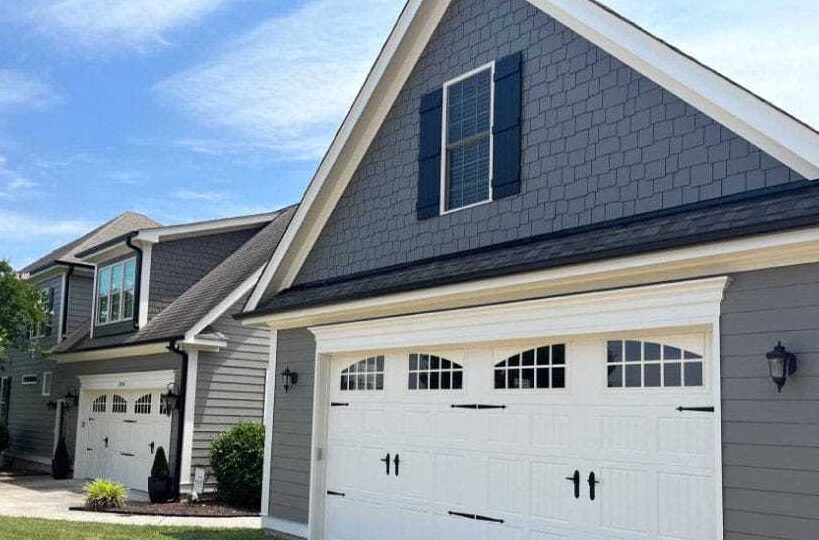
Exterior painting plays a major role in protecting your home, not just improving its appearance. A properly applied paint job acts as a barrier against moisture, sun exposure, and long term wear.
However, many homeowners underestimate how important the process is. Small mistakes during preparation or application can lead to peeling, uneven finishes, and costly repairs much sooner than expected.
Understanding the most common exterior painting mistakes can help you avoid unnecessary issues and ensure your home stays protected for years to come.
Why Exterior Painting Mistakes Matter
Exterior paint is not just cosmetic. It protects your home from environmental damage and helps maintain the integrity of your siding and trim.
When mistakes are made during the painting process, the results often include:
• Premature peeling or cracking
• Moisture intrusion behind surfaces
• Reduced lifespan of the paint job
• Uneven or inconsistent appearance
• Increased long term repair costs
Many of these issues are not immediately visible. They develop over time, which is why proper preparation and application are so important from the start.
Most Common Exterior Painting Mistakes
Skipping Proper Surface Preparation
One of the most common mistakes homeowners make is skipping or rushing surface preparation. Painting over dirt, mildew, or loose paint prevents the new coating from properly bonding to the surface.
Preparation typically begins with pressure washing before painting, which removes built up debris, mold, and contaminants that interfere with adhesion.
Without proper cleaning, even high quality paint can fail quickly. This often leads to peeling within a short period of time, requiring the project to be redone much sooner than expected.
Painting Over Damaged Surfaces
Applying paint over damaged siding, cracked trim, or deteriorating wood does not fix the underlying issue. Instead, it temporarily hides the problem while allowing it to continue worsening beneath the surface.
Over time, moisture can enter through these damaged areas, leading to rot, swelling, and structural deterioration.
Before painting, it is important to address any existing damage. This is where professional exterior painting services can help identify and correct issues before applying a new finish.
Using the Wrong Type of Paint
Not all paints are designed for every surface or environment. Choosing the wrong type of paint can lead to poor coverage, reduced durability, and premature failure.
Different materials such as wood, fiber cement, and vinyl require specific types of coatings. Additionally, climate conditions in North Carolina require paints that can handle humidity, sun exposure, and seasonal temperature changes.
Using the correct products ensures better adhesion, longer lifespan, and a more consistent finish.
Hand-Brushing vs. Spray Painting: Why Application Method Matters
When it comes to exterior painting, how the paint is applied is just as important as the paint itself.
Spray application is often chosen for speed, but it can introduce issues that impact both appearance and longevity:
• Inconsistent film thickness across surfaces
• Overspray on windows, landscaping, and neighboring areas
• Difficulty working paint into textured surfaces, seams, and joints
• Higher risk of premature wear if coverage is uneven
Hand-brushing, on the other hand, is a more deliberate and controlled method that prioritizes quality over speed:
• Paint is worked directly into the surface for better adhesion
• Consistent, even coverage across siding, trim, and detailed areas
• Greater control around edges, corners, and transitions
• A more durable finish that holds up over time
Professional painters understand that a long-lasting exterior finish is not just about applying paint, it is about how that paint bonds to your home.
At Dixie Paint, every exterior project is completed by hand-brushing. We do not use spray equipment on exteriors because we believe a carefully applied, brush-finished coat provides the consistency, protection, and craftsmanship your home deserves.
Waiting Too Long to Repaint
Another common mistake is waiting too long to repaint a home. Many homeowners delay the project until visible damage becomes hard to ignore.
By that point, what could have been a straightforward maintenance repaint often turns into a more involved and costly repair process.
If you are already noticing signs like peeling, fading, or cracking, it may be time to take a closer look at what your exterior is telling you and address the issue before it progresses further.
Taking action early helps protect your home, maintain its appearance, and often allows for a more efficient application process, rather than requiring multiple coats to restore proper coverage and durability.
Why Professional Painting Prevents These Issues
While some homeowners attempt to handle exterior painting themselves, the process involves more than just applying a coat of paint.
Professional painters focus on:
• Thorough surface preparation
• Identifying and repairing damage
• Using the correct products for each surface
• Applying paint evenly and consistently
This level of attention helps ensure a longer lasting result and reduces the likelihood of common mistakes.
Ready to schedule your exterior painting project? Contact Us today.