
Email:
Phone:
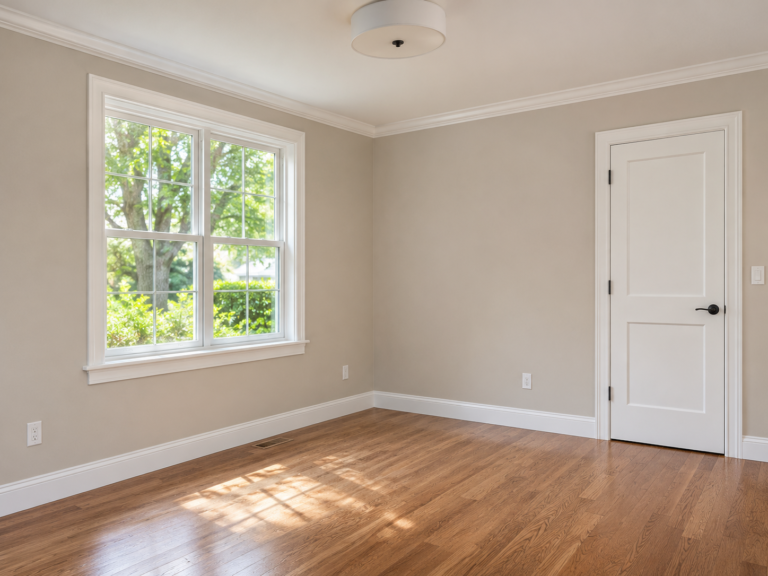
For a typical bedroom or home office with sound walls, plan on a full day or a weekend for a DIY repaint, including preparation and time between coats. A professional crew may complete a straightforward walls-only room in a day. Repairs, ceilings, trim and the paint’s drying requirements can extend either schedule.
Those are planning ranges, not a promise for every room. Rolling paint onto four walls is only part of the work. To plan around furniture, family routines or a move, you need to know when preparation starts, when the last coat goes on and when the room can return to normal use.
A quote for “one room” needs a little more detail. Walls only, walls and ceiling, or walls with doors and trim are different projects. A small bathroom with several fixtures and tight corners can involve more careful work than a larger empty bedroom.
Before comparing schedules, make sure everyone is counting the same surfaces:
At Dixie Paint, our painting process starts with a walkthrough and a written estimate. That is the time to agree on the surfaces and repairs so the schedule reflects the actual job.
Furniture needs to be moved or protected, floors covered and access kept clear. Window treatments, wall decorations and fragile belongings may need to come out. Agree with your painter on who handles each task; moving everything yourself may not be necessary.
For a DIY project, include setup and cleanup in your available time. Starting late in the afternoon after moving a full bedroom leaves less painting time than the room’s size might suggest.
A few nail holes require different preparation from widespread cracks, damaged drywall or peeling paint. Patching material must dry before it is sanded and coated. Larger repairs can add another visit or another day even when the actual repair work does not take long.
Stains may need a suitable primer. If a mark comes from an active leak, the moisture problem needs attention before repainting. Covering the mark does not fix the cause.
Painting involves cutting in around edges and obstacles as well as rolling the open wall area. More doors, windows, built-ins and color changes mean more edges to work around.
Primer is not required across every previously painted wall. It may be needed on repairs, bare areas, stains or for a substantial color change, depending on the coating system. A dark-to-light change can require more work to achieve even coverage than repainting a similar color.
The next coat must wait until the product is ready to be recoated. A painter can sometimes work elsewhere during that interval, but the wait still affects when your room is finished. Inspection, touch-ups, removing protection and cleanup also belong in the schedule.
Three milestones matter after paint goes on:
Use the instructions for the exact paint rather than a universal two-hour or overnight rule. Trim enamel may have a very different recoat schedule from wall paint. Cool conditions, high humidity and heavy application can slow drying.
In a Raleigh or Wake Forest home, opening windows on a humid day may not help the paint dry. Follow the product’s ventilation guidance and maintain appropriate indoor conditions. Trying to rush with extra heat or another heavy coat can create more work.
An empty room with sound walls: This offers the simplest schedule. A walls-only repaint may fit into a day when preparation is limited and the coating allows it. A DIY weekend leaves room for a slower pace and unexpected touch-ups.
A furnished room with repairs: Allow extra time for moving and protecting belongings, patching and drying. Ask whether repairs need to be completed before the main painting day.
Walls plus ceiling and trim: Expect more stages than a walls-only repaint. Separate products, detailed edges and additional drying intervals can push the work into multiple days.
A room needed for a move or guests: Work backward from when the room must be usable, rather than planning for the final coat at the last minute. Our guide to painting before moving into a new house covers the advantages of scheduling while rooms are empty.
Ask for specific guidance about moving furniture back, rehanging pictures and cleaning the walls. A room can be ready for some use while the finish continues to cure, but furniture rubbing against fresh paint or early scrubbing may damage it.
For bedrooms, follow the paint manufacturer’s ventilation and occupancy guidance. Smell alone is not a reliable test of whether the room is ready. Plan an alternative sleeping space if the room will not be ready by bedtime.
Bathrooms need their own conversation about showers and moisture after painting. The completion of the last coat is not automatically the time to return to steamy showers.
Our guide to hiring a professional house painter explains more about preparation and what happens during the work.
Dixie Paint provides interior painting in Raleigh, Wake Forest and surrounding service areas. Request an estimate and let us know which surfaces you want painted and when you need the room back. We can assess the preparation and discuss a schedule that fits the work.


 Trustindex verifies that the original source of the review is Google.
 Trustindex verifies that the original source of the review is Google.
 Trustindex verifies that the original source of the review is Google.
 Trustindex verifies that the original source of the review is Google.
 Trustindex verifies that the original source of the review is Google.
 Trustindex verifies that the original source of the review is Google.
 Trustindex verifies that the original source of the review is Google.
 Trustindex verifies that the original source of the review is Google.
 Trustindex verifies that the original source of the review is Google.

Let’s turn your vision into reality. Get started on your painting and home improvement project by requesting a quote from our expert team. Your dream space is just a click away.